Research.

National Geographic- Deforestation explained

BY CHRISTINA NUNEZ PUBLISHED FEBRUARY 7, 2019

https://www.nationalgeographic.com/environment/global-warming/deforestation/

Human-driven and natural loss of trees—deforestation—affects wildlife, ecosystems, weather patterns, and even the climate.

Forests still cover about 30 percent of the world’s land area, but they are disappearing at an alarming rate. Between 1990 and 2016, the world lost 502,000 square miles (1.3 million square kilometers) of forest, according to the World Bank—an area larger than South Africa. Since humans started cutting down forests, 46 percent of trees have been felled, according to a 2015 study in the journal Nature. About 17 percent of the Amazonian rainforest has been destroyed over the past 50 years, and losses recently have been on the rise.

We need trees for a variety of reasons, not least of which is that they absorb not only the carbon dioxide that we exhale, but also the heat-trapping greenhouse gases that human activities emit. As those gases enter the atmosphere, global warming increases, a trend scientists now prefer to call climate change.

The Amazon is losing the equivalent of nearly one million soccer fields of forest cover each year, much of which is cut down to make way for agriculture. When forest is lost, the carbon it sequestered ends up in the atmosphere, accelerating climate change.

Bunches of oil palm fruit are harvested by hand and then trucked to a mill in mainland Malaysia, where they are processed. Ancient forests around the tropics are being cut down to make space for palm oil plantations. When these forests are lost, the carbon they held locked up in their tissues is released into the atmosphere, contributing to further global warming.

The western U.S. has been locked in a drought for years. The dry, hot weather has increased the intensity and destructiveness of forest fires.

The Scherer power plant in Juliet, Georgia, is the largest coal-fired power plant in the U.S. It burns 34,000 tons of coal daily, pumping over 25 million tons of carbon dioxide into the atmosphere each year.

Causes of deforestation:

Farming, grazing of livestock, mining, and drilling combined account for more than half of all deforestation. Forestry practices, wildfires and, in small part, urbanization account for the rest. In Malaysia and Indonesia, forests are cut down to make way for producing palm oil, which can be found in everything from shampoo to saltines. In the Amazon, cattle ranching and farms—particularly soy plantations—are key culprits.

Logging operations, which provide the world’s wood and paper products, also fell countless trees each year. Loggers, some of them acting illegally, also build roads to access more and more remote forests—which leads to further deforestation. Forests are also cut as a result of growing urban sprawl as land is developed for homes.

Not all deforestation is intentional. Some is caused by a combination of human and natural factors like wildfires and overgrazing, which may prevent the growth of young trees.

Why it matters and what can be done:

Deforestation affects the people and animals where trees are cut, as well as the wider world. Some 250 million people living in forest and savannah areas depend on them for subsistence and income—many of them among the world’s rural poor. Eighty percent of Earth’s land animals and plants live in forests, and deforestation threatens species including the orangutanSumatran tiger, and many species of birds. Removing trees deprives the forest of portions of its canopy, which blocks the sun’s rays during the day and retains heat at night. That disruption leads to more extreme temperature swings that can be harmful to plants and animals.

In terms of climate change, cutting trees both adds carbon dioxide to the air and removes the ability to absorb existing carbon dioxide.

The numbers are grim, but many conservationists see reasons for hope. A movement is under way to preserve existing forest ecosystems and restore lost tree cover. Organizations and activists are working to fight illegal mining and logging—National Geographic Explorer Topher White, for example, has come up with a way to use recycled cell phones to monitor for chainsaws. In Tanzania, the residents of Kokota have planted more than 2 million trees on their small island over a decade, aiming to repair previous damage.

For consumers, it makes sense to examine the products and meats you buy, looking for sustainably produced sources when you can. Nonprofit groups such as the Forest Stewardship Council and the Rainforest Alliance certify products they consider sustainable, while the World Wildlife Fund has a palm oil scorecard for consumer brands.
Standard
Idea

Idea

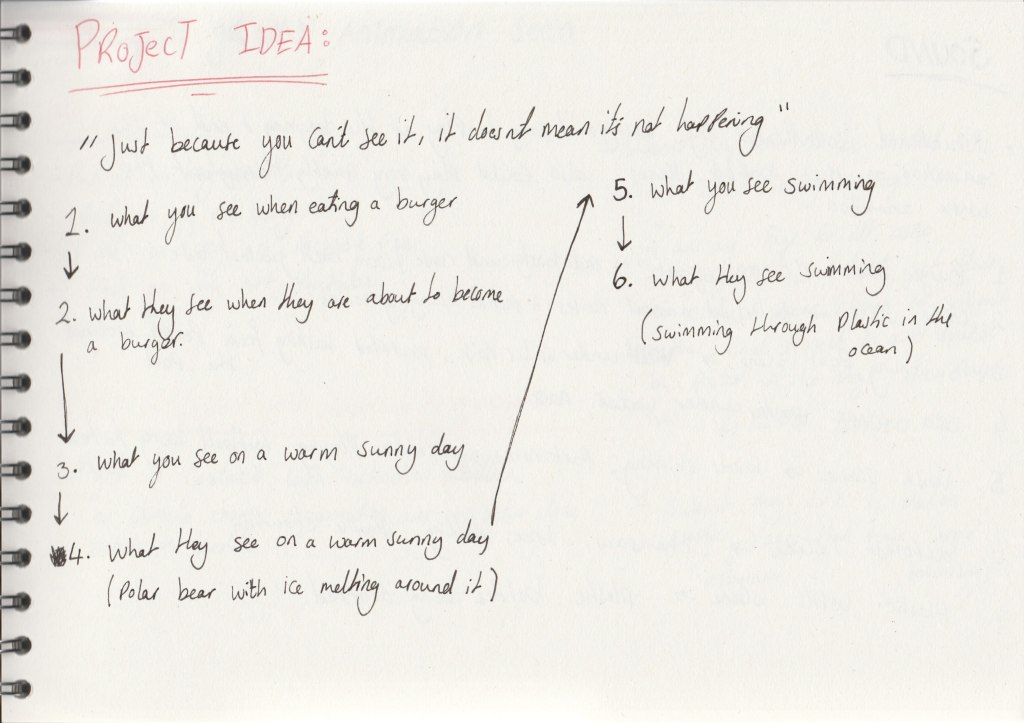
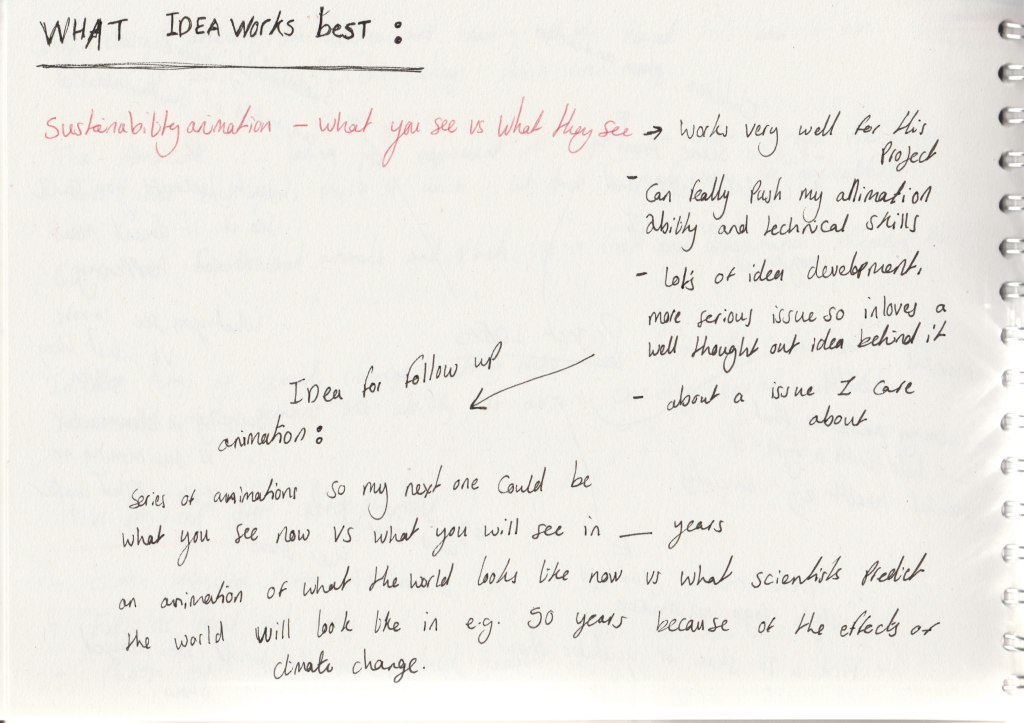
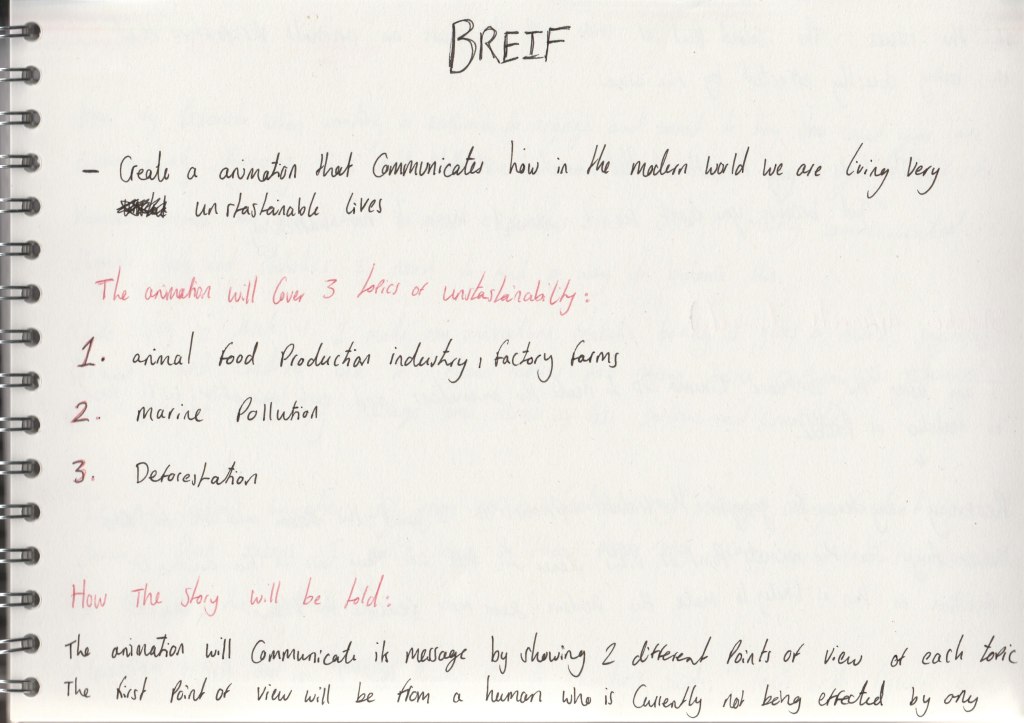
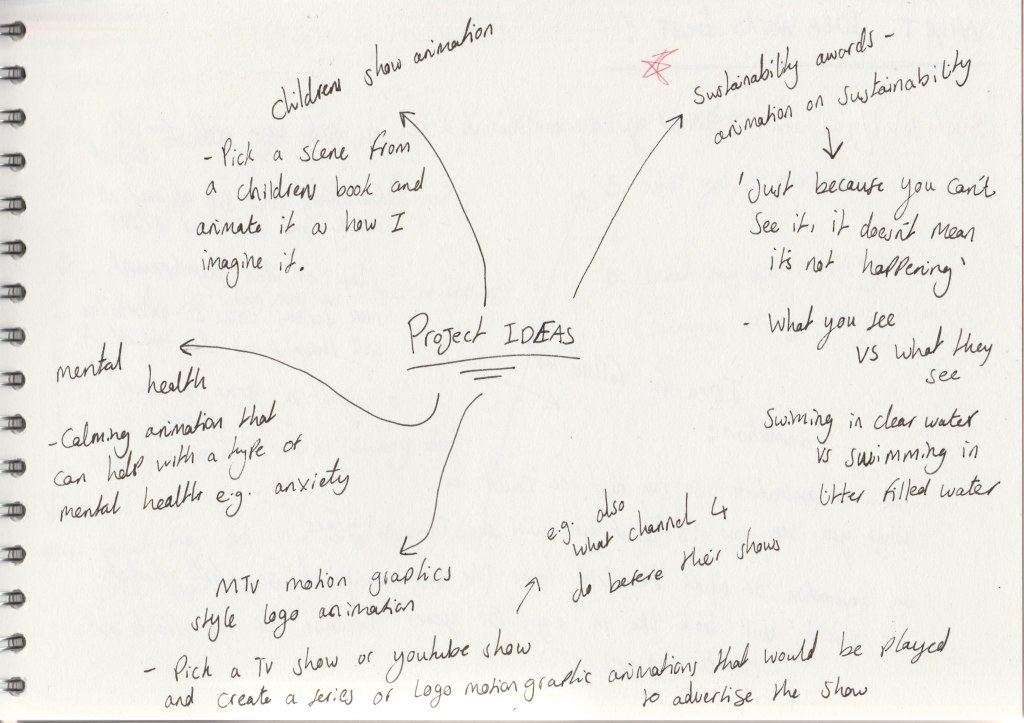
I wrote the brief myself, after brain storming a couple of brief ideas I chose it because it’s about a topic i’m passionate about (climate change) and the brief gives me room to be creative about my animation. In past projects I have picked briefs that involve less of a serious talking point so with this brief I can demonstrate that I am also able to communicate serious issues as well as light hearted ones.

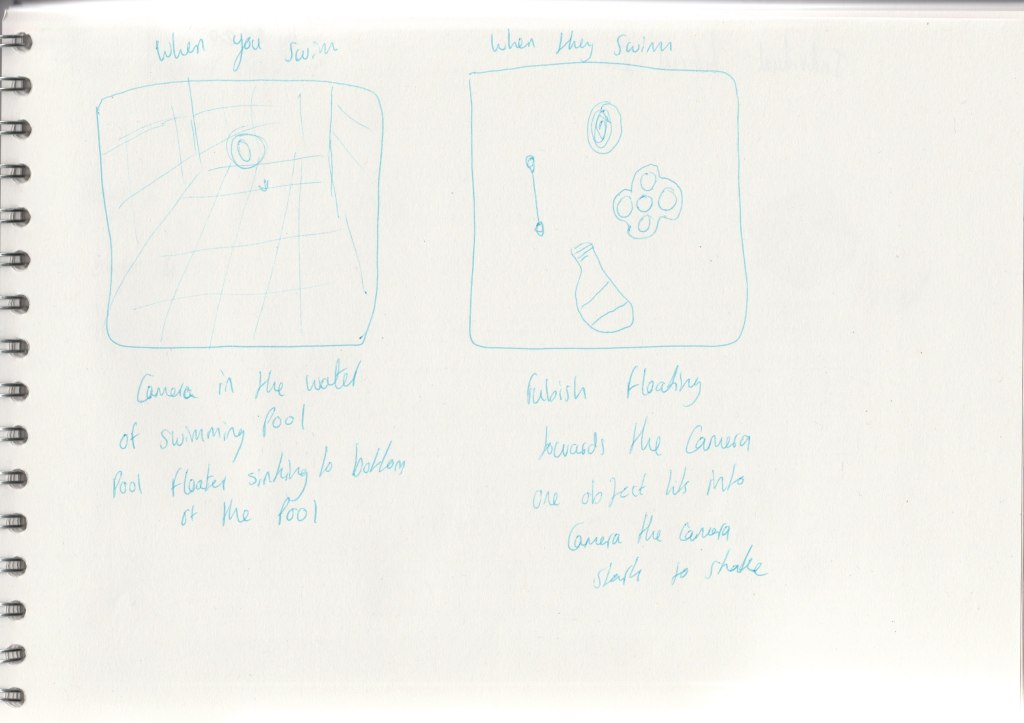
I originally wanted the animation to cover the topics of the animal food production industry (more specifically factory farms), Ice caps melting and deforestation. I made a few rough sketches of how each scene would look.

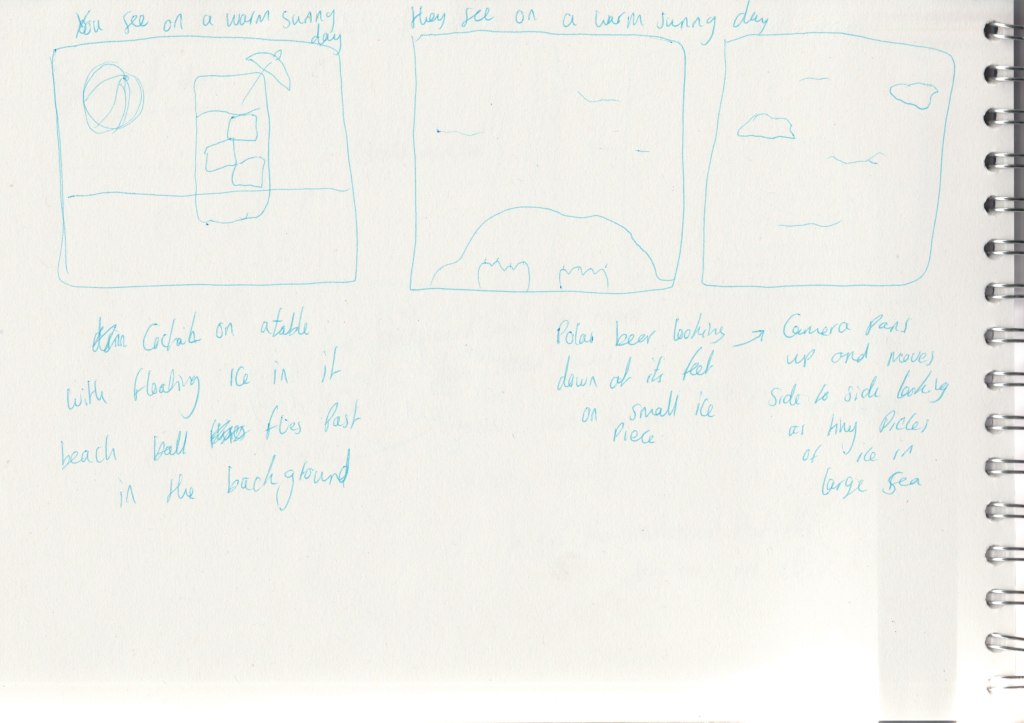
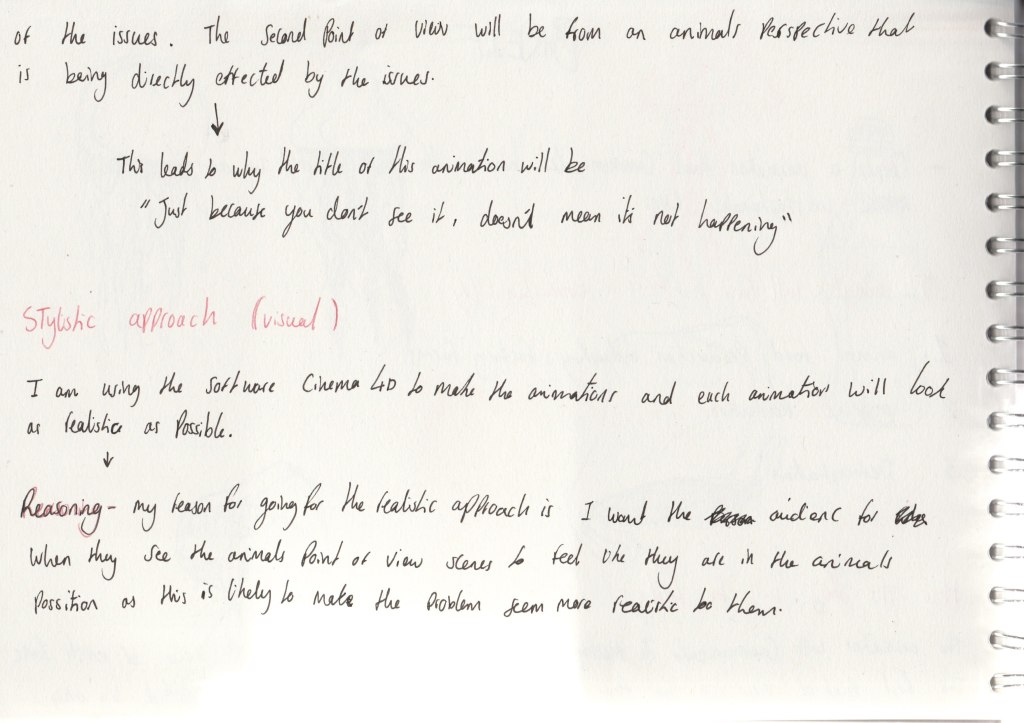
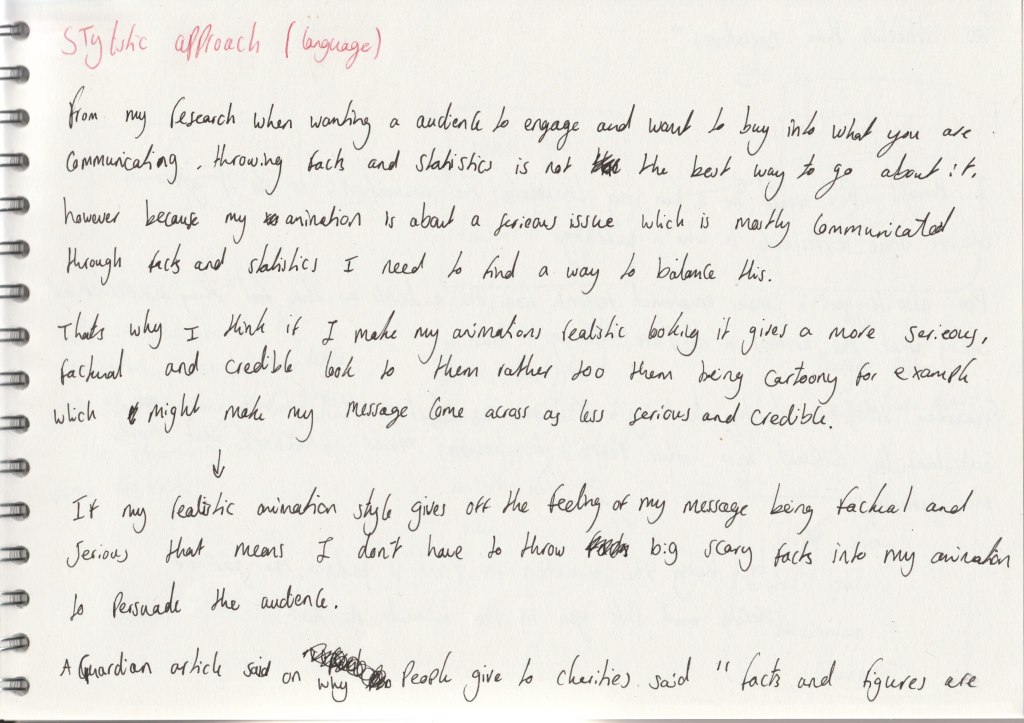
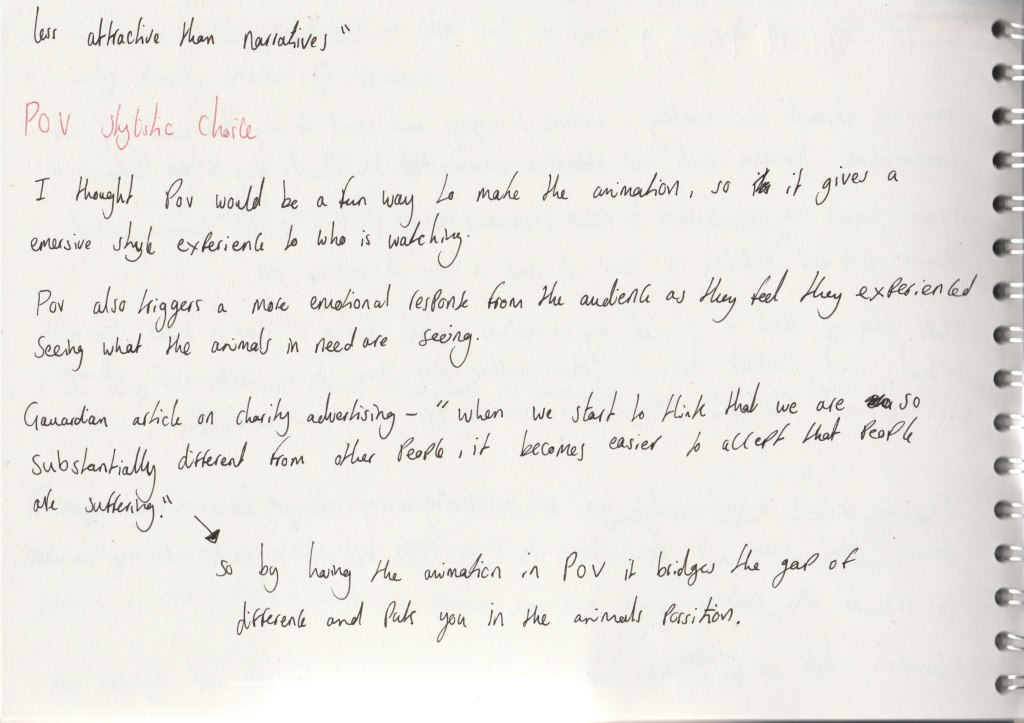
I changed ice caps melting to deforestation because my plan for the ice caps scene was going to involve the sea but I already had the sea and swimming pool scene so by doing deforestation I would show a larger range of my skills as I could show I can create realistic looking trees and a woods like scene. The images of my sketchbook pages below show my explanation of choosing the point of view camera style and how I chose to communicate my sustainability message in the animation.

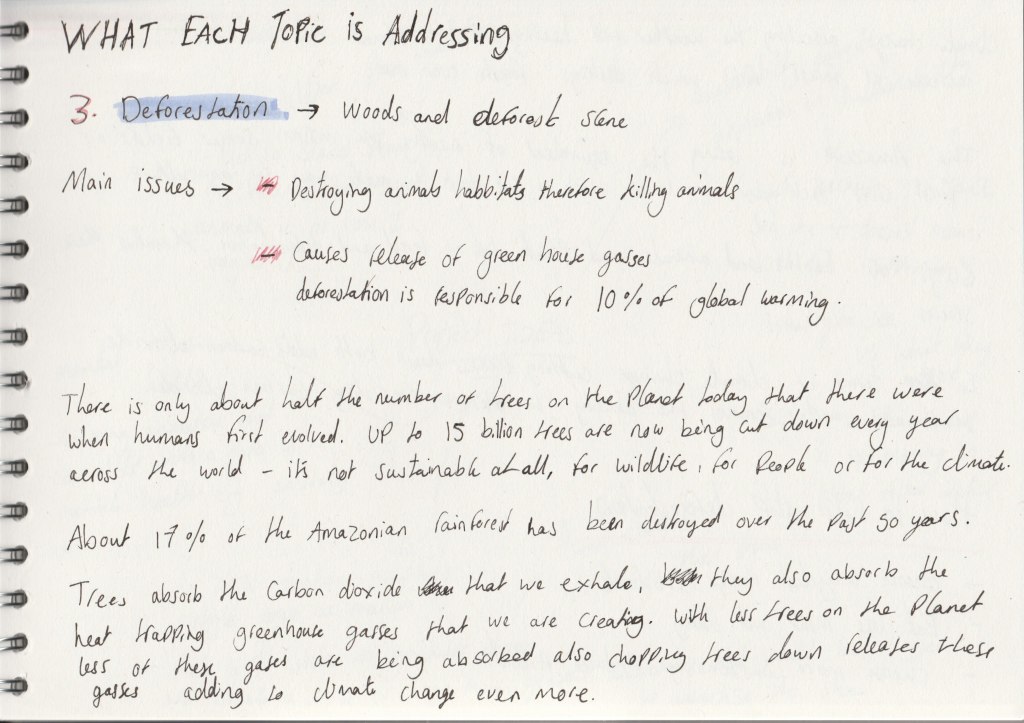
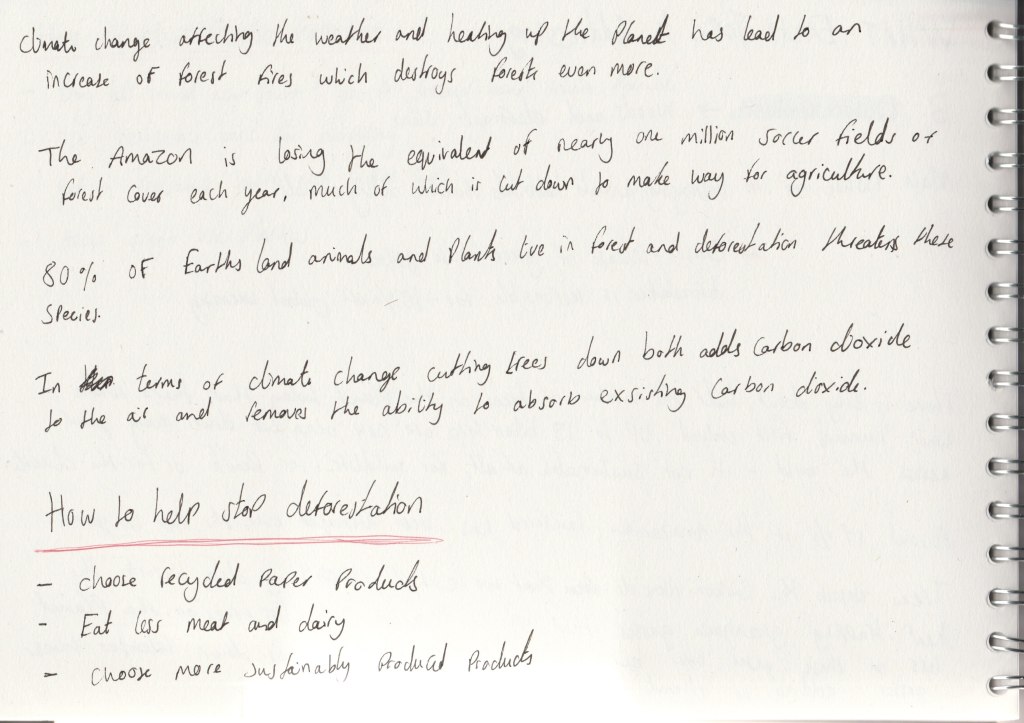
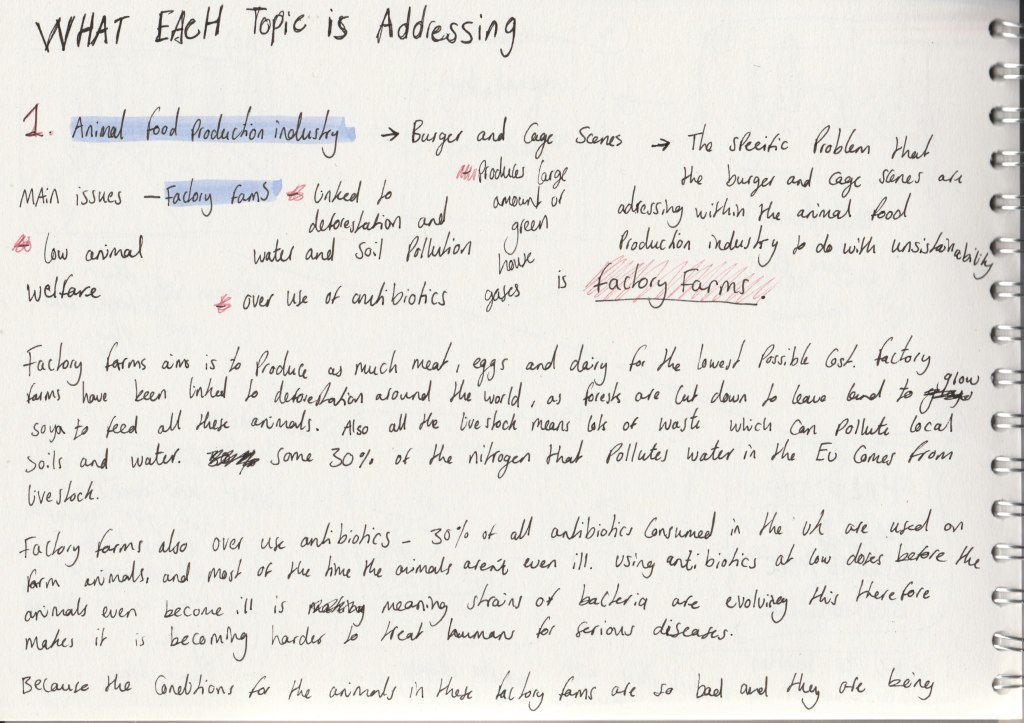
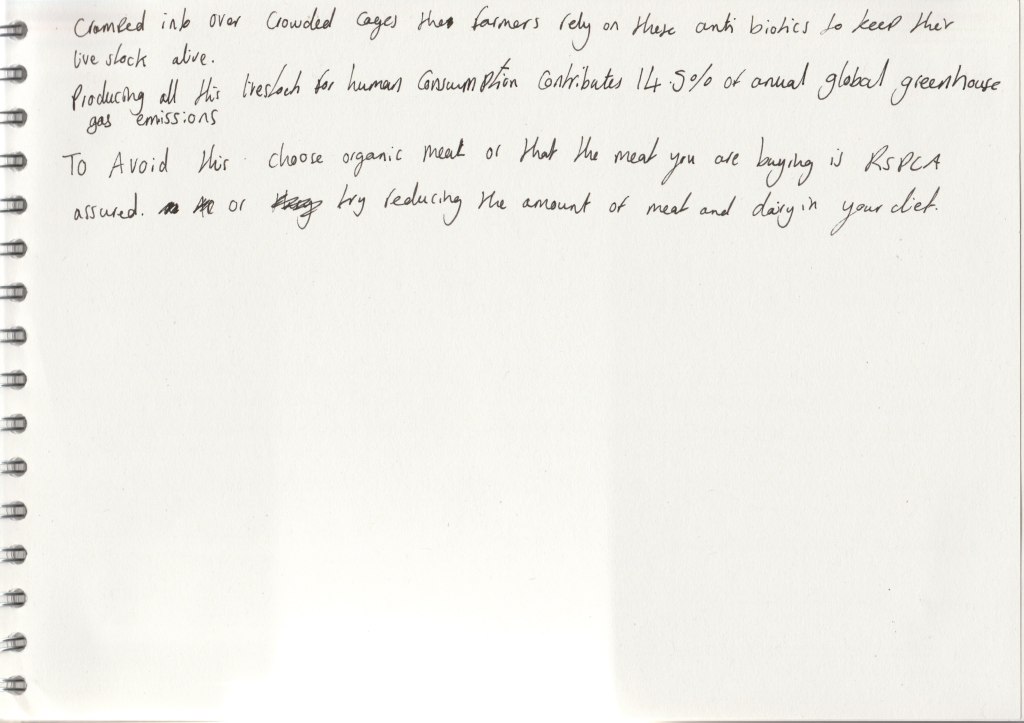
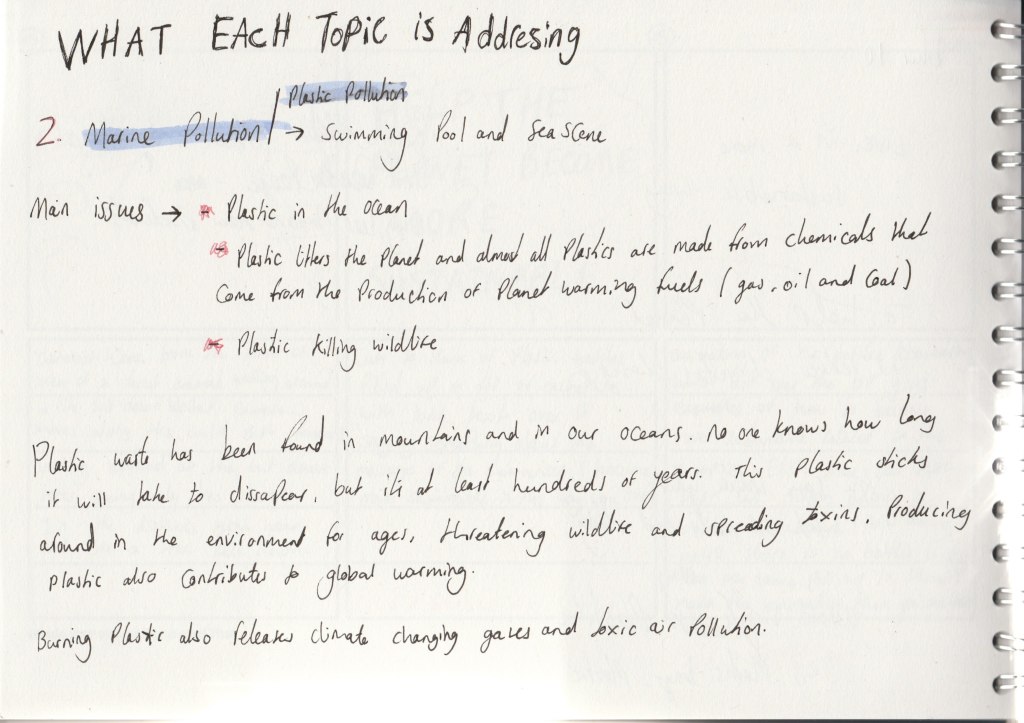
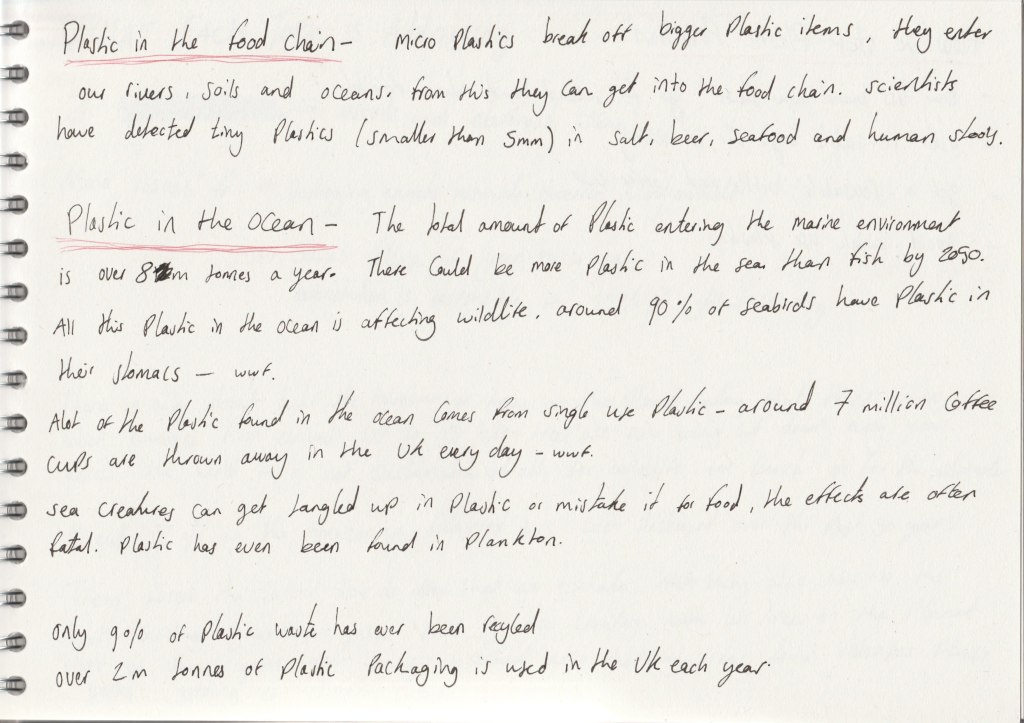
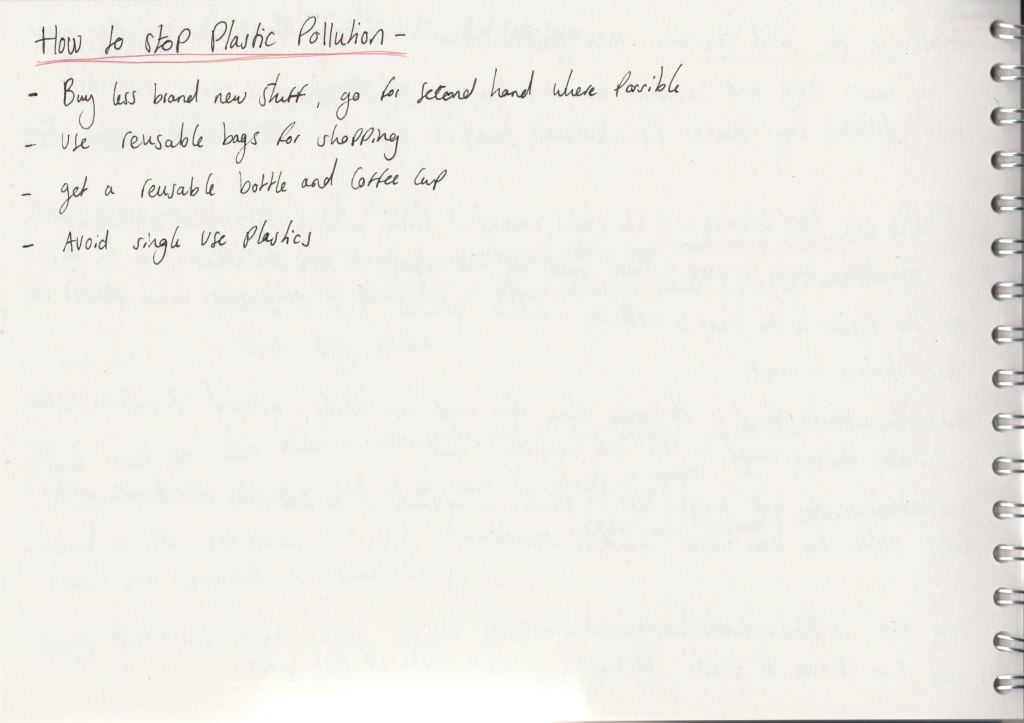
I researched into each topic I am involving in the animation. Knowing what the biggest problems are for the planet that each topic causes informed me if I needed to change how any of my scenes would look. At the end of my animation I wanted to give advice on how to live more sustainably because I don’t just want the animation to seem like a piece to scare people, I want it to be a helpful video to watch.

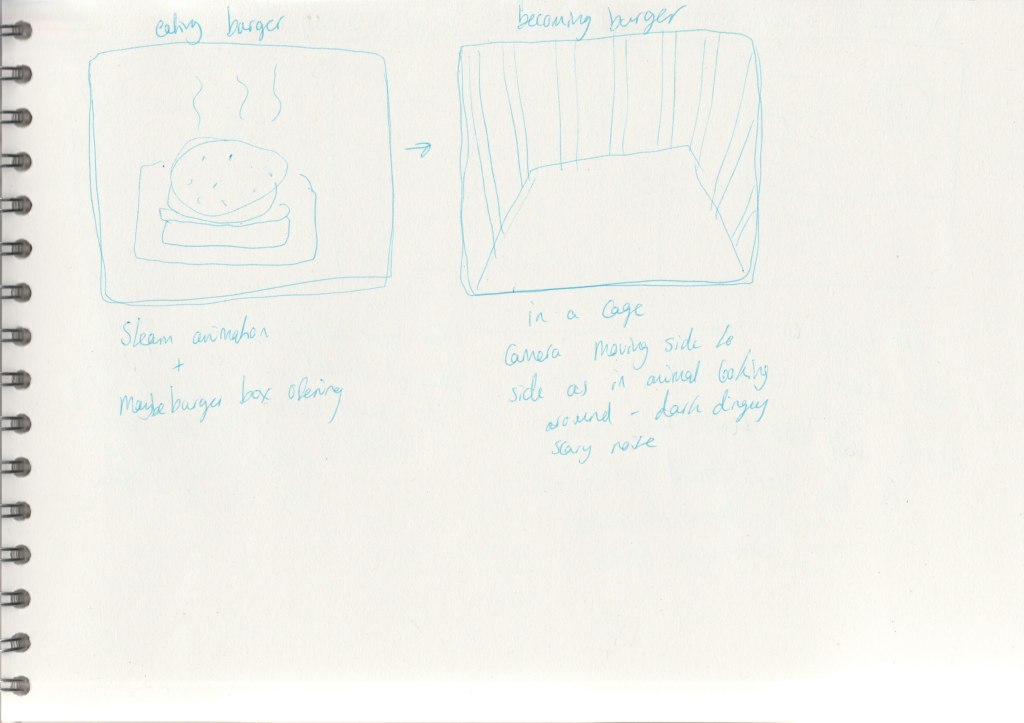
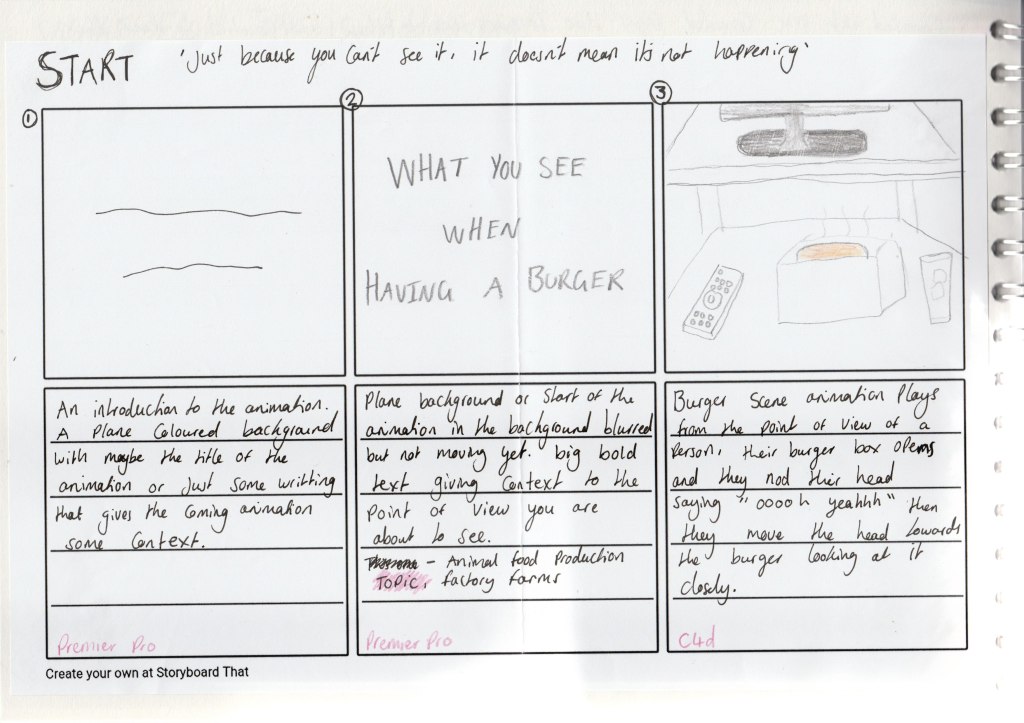
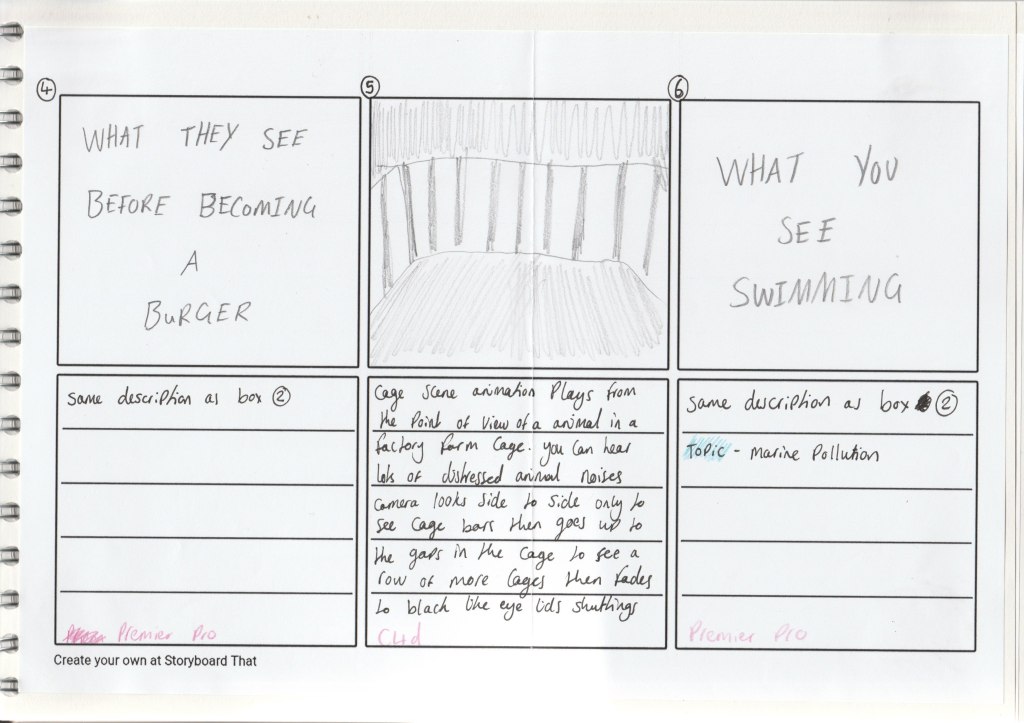
I picked factory framing because diet is something that is easily changed or slightly adjusted so for people it doesn’t seem like its something impossible to do so they are more willing to act. Also factory farming is a big contribute to climate change. It also is a topic that is being talked a lot about at the minuet, many restaurants and food places are adding more vegan and vegetarian items to their menu so it seems like people are open and willing to change their diets now more than before.

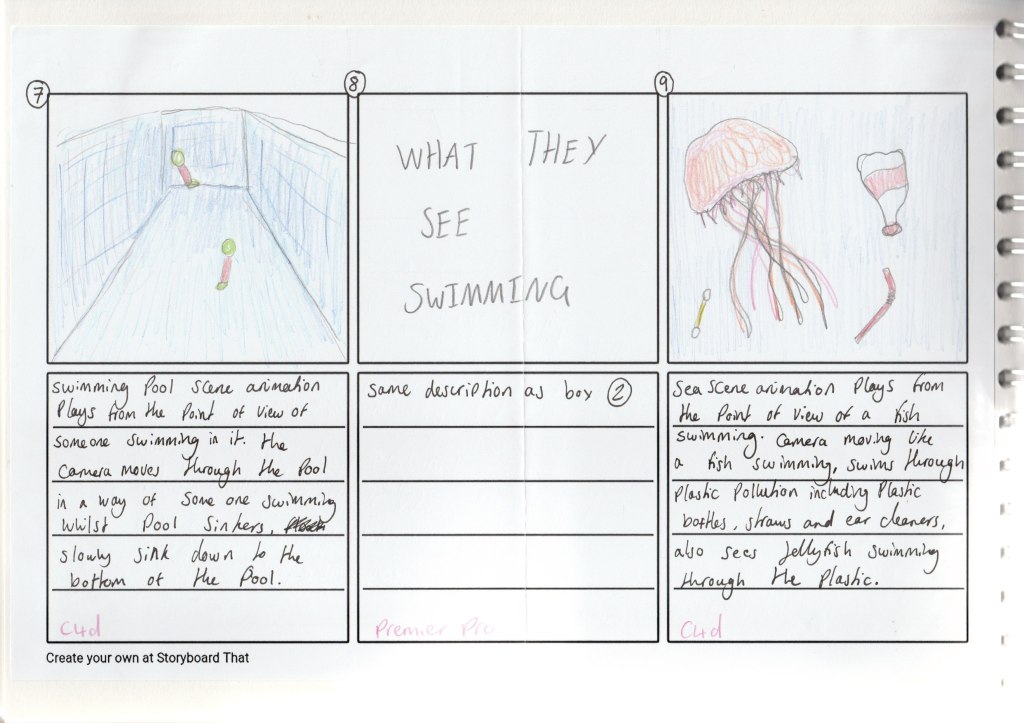
I picked Marine pollution because it is also a topic that has been talked a lot about recently. It’s plastic that is ending up in our oceans that is polluting them and plastic is something that is used so much in peoples daily lives. We really need to reduce our use of plastic and there is very simple and easy ways to do this. By making people more aware of how much plastic they use and if they respond in a way of them reducing their use of plastic would be very beneficial to the planet.

Also I wanted the challenge of creating a under water scene as I had never done this before.

I picked deforestation because it also links well and shows the effects of what the animal food industry causes. Trees are needed to soak up carbon dioxide and other green house gasses so we need more trees to reduce global warming but instead we are cutting them down. Not only is cutting trees down releasing more greenhouse gasses into the environment but it’s destroying animals habitats too.

Images below are of my research into each topic from my sketchbook:

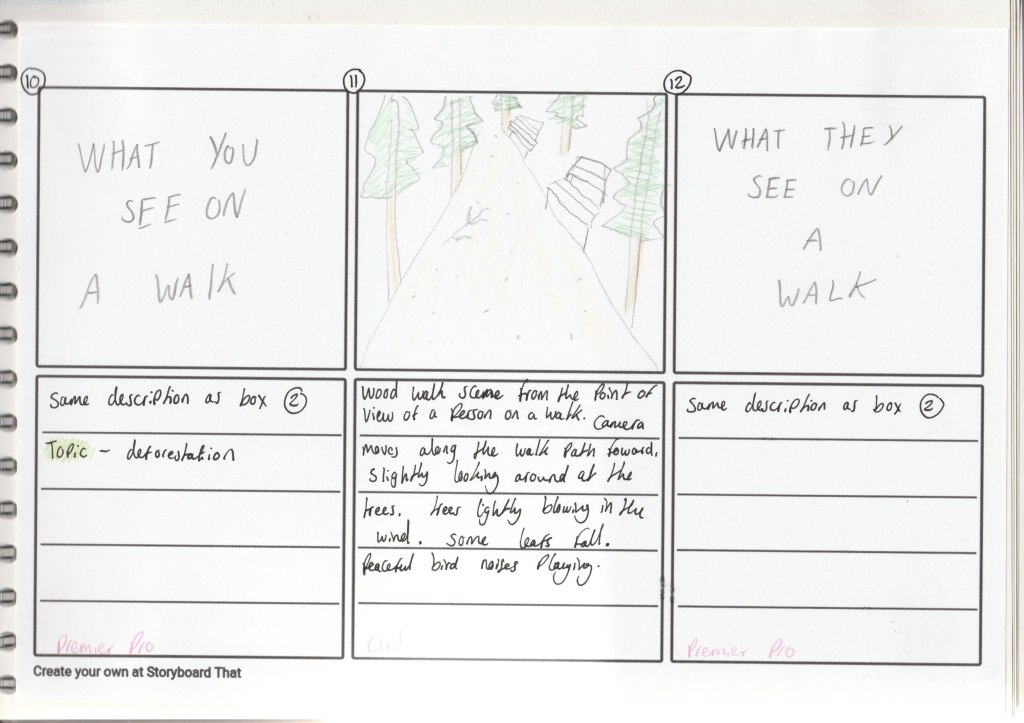
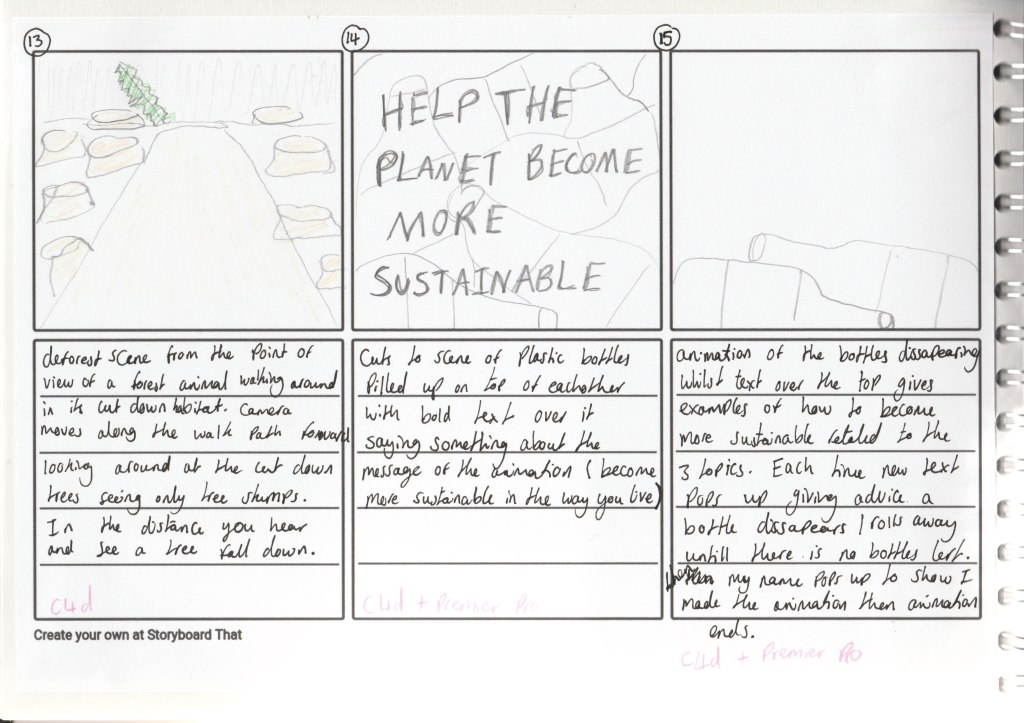
I drew out detailed storyboards to help me when it came to making the animations.

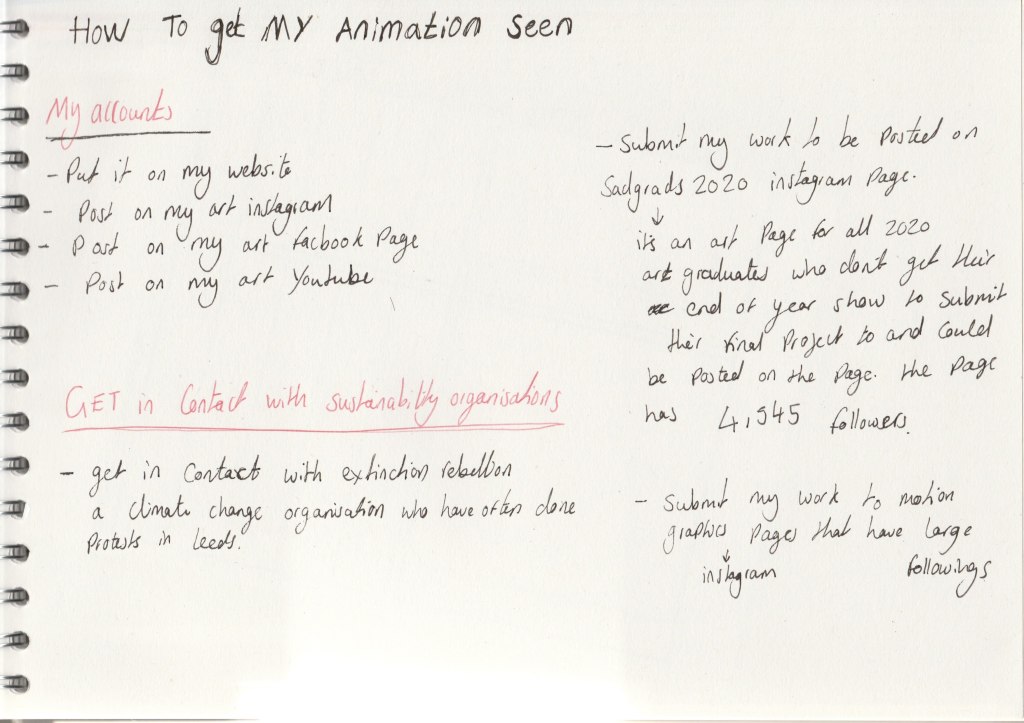
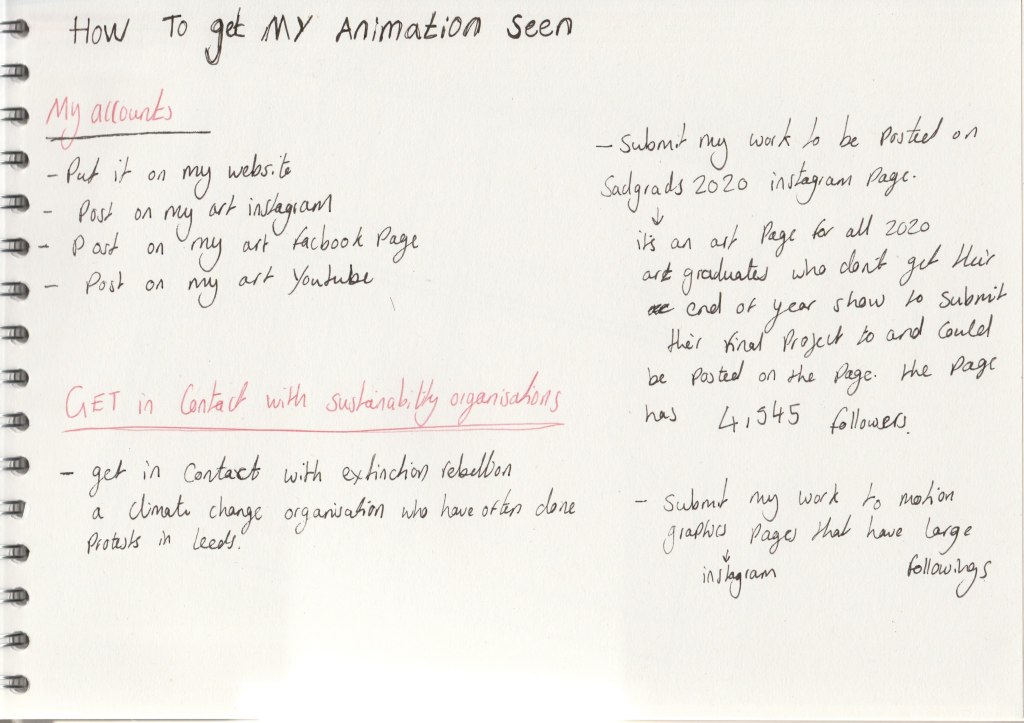
My animation will be posted on my social media accounts, I am also wanting to get in touch with organisations that focus on sustainability to see if my animation would be any use for them using it as part of their campaign. Because my animation will be posted on social media my target audience is age 16+. My target audience age is a large range as people of all ages care about climate change and for us to reduce climate change we need people of all ages to act.

Standard
Animations

Large scene and camera movement animation

I made this animation for practice before I started making my sustainability animation. I was practicing camera movement and creating a large scene in this. I made a mountain scene with a large body of water in the middle, I did this because I knew for my sustainability animation I would be making nature scenes.

I then had a falling man so my challenge was to make the camera move smoothly and perfectly with the man as he fell. I wanted to practice camera movement as it’s an incredibly important part of my sustainability animation because it’s from the point of view of what people and animals see.

Standard
Animations

Cinema 4D text animation

In this animation I was practicing using the display tag in Cinema 4D as I had to get the perfect moment when the tube covered a letter to make the letter disappear and the new one appear, to make it look like the tube was re arranging the letters. I also thought it would be a good quick, fun animation to put on my instagram as it shows my name and reminds people of my name and my account.

In this animation I was practicing my ability to create smooth satisfying movement. I wanted to make the squares move in a way that was satisfying to look at, in a wave of going bigger then smaller. I also added noise to the animation to give it more affect. I added a noise that is loud at first then fades out to make it look like the squares are having a rippling effect down the F.

Standard