https://www.wwf.org.uk/learn/effects-of/deforestation
https://www.wwf.org.uk/10-myths-about-deforestation
IN THE TIME IT TAKES TO SAY ‘DEFORESTATION’, ANOTHER CHUNK OF FOREST THE SIZE OF A FOOTBALL PITCH IS DESTROYED.
That’s every two seconds, every single day.
And we’re not including commercially grown trees and plantations. We mean natural, noisy forests that were full of life, and home to threatened species such as orangutans and jaguars.
There’s only about half the number of trees on the planet today that there were when humans first evolved. And the fastest rate of forest destruction has been in the past couple of centuries.
Up to 15 billion trees are now being cut down every year across the world. It’s just not sustainable, or very smart – for wildlife, for people, or for the climate.
Deforestation affects us all, whether we realise it or not.
WHY FORESTS MATTER:
Forests are vital for the health of our planet. They provide food and shelter for so much of life on Earth – from fungi and insects to tigers and elephants. More than half the world’s land-based plants and animals, and three-quarters of all birds, live in and around forests.
Forests have a big influence on rainfall patterns, water and soil quality and flood prevention too. Millions of people rely directly on forests as their home or for making a living.
But the risks from deforestation go even wider. Trees absorb and store carbon dioxide. If forests are cleared, or even disturbed, they release carbon dioxide and other greenhouse gases. Forest loss and damage is the cause of around 10% of global warming. There’s simply no way we can fight the climate crisis if we don’t stop deforestation.
WHAT’S DESTROYING FORESTS?
Most deforestation is carried out to clear land for food production. This is not a new thing – for instance in the UK we largely cleared our natural forests centuries ago to create more agricultural land.
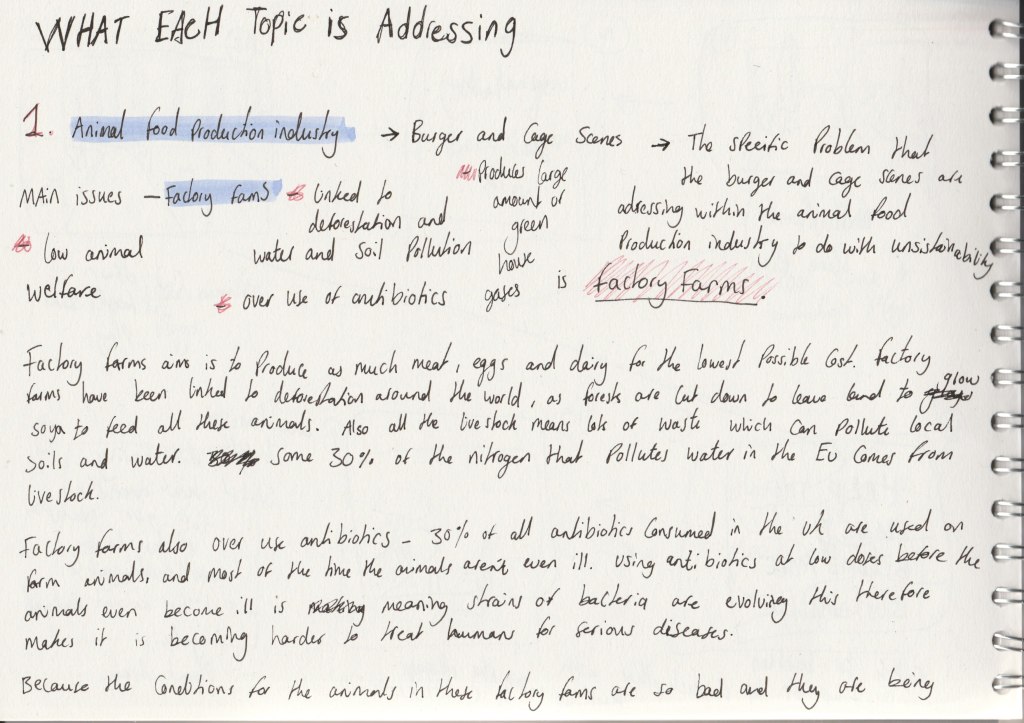
The majority of the deforestation is linked to meat, soya and palm oil. Huge swathes of tropical forest are removed so the land can be used for growing soya to feed farm animals like pigs and poultry. All to meet the insatiable global demand for cheap meat. In tropical and subtropical countries, agriculture has accounted for 73% of deforestation.
Even though the damage is mainly done to tropical forests, the causes can be linked to eating habits all around the world – including here in the UK. Our footprint is mainly linked to soya grown to feed British reared animals. So the chicken and bacon in our shops may well be unwittingly contributing to global deforestation.
HOW WE’RE FIGHTING DEFORESTATION
We co-founded the Forest Stewardship Council (FSC), whose tick logo on wood and paper products helps shoppers identify and support sustainable forest management. And we were founder members of the Roundtable on Sustainable Palm Oil (RSPO), who’ve improved and expanded the sources of responsibly-produced palm oil.
Plus we helped bring in legislation to prevent illegal timber being sold in the UK. In 2014, dozens of high-profile firms signed up to our Forest Campaign, including Argos, B&Q, Carillion, M&S, Penguin Random House and Sainsbury’s. They all pledged their wood and paper would be legally and sustainably sourced by 2020.
We’ve had our successes, but the challenges keep growing too. We helped reduce deforestation in the Amazon by 75% between 2004 and 2012. But since then deforestation has been on the increase, with the highest rate of deforestation in a decade recorded in 2018.
HOW YOU CAN HELP SAVE FORESTS
There are lots of things we can all do, right now, to protect the world’s forests. For instance, choose recycled paper products and look for the FSC ‘tick-tree’ logo when you’re shopping.
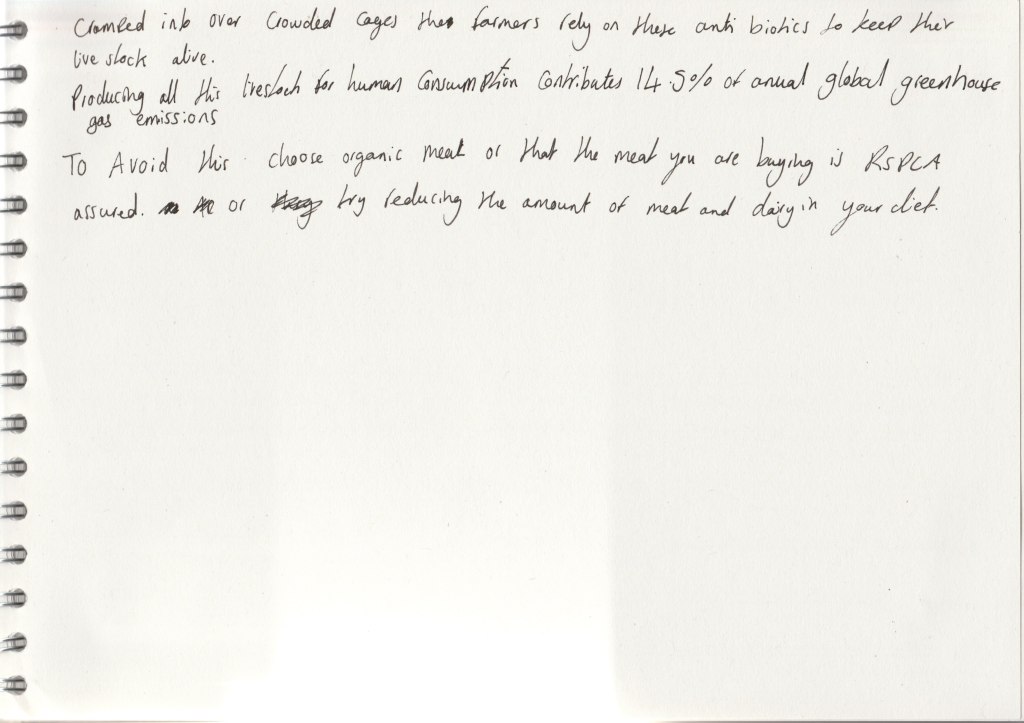
But your diet has the biggest impact. If you haven’t already, think about moderating the amount of meat you eat, perhaps considering it a weekend treat. And experiment with plant-based ingredients instead – there are plenty of new, innovative alternatives on offer now.
Also, make sure any palm oil in the products you buy is sustainably sourced – it may say RSPO on the label.
It’s not palm oil that’s the problem, it’s how and where it’s grown that needs to change. Palm oil is an incredibly efficient and productive crop, producing more oil per land area than any other equivalent vegetable oil crop. Globally, it supplies 35% of the of the world’s vegetable oil demand on just 10% of the global land used to grow vegetable oil crops. To get the same amount of vegetable oil from equivalent crops like soybean or coconut could require anything between 4 and 10 times more land, which would just shift the problem to other parts of the world and threaten other habitats and species.
Boycotting palm oil could therefore cause more deforestation not less. So we need companies to use only sustainable palm oil that respects and safeguards people and nature and should boycott those companies that don’t!





















 FREYA GEORGE LAUVC602